

Alternative migraine treatments are non-pharmaceutical therapies that work alongside or instead of prescription medications to prevent or reduce the frequency, intensity, and duration of migraine attacks. These approaches range from evidence-supported techniques like cognitive behavioral therapy and biofeedback to lifestyle modifications, nutritional interventions, and mind-body practices.
If you’ve struggled with medication side effects, inadequate relief from conventional treatments, or simply want a more holistic approach to managing your migraines, understanding these options matters. Research continues to demonstrate that many people experience meaningful improvement when they incorporate alternative therapies into their treatment plans, whether as standalone approaches or complementary strategies. You’re not choosing between medication and alternatives. You’re building a personalized toolkit that addresses your unique triggers, symptoms, and lifestyle.
This article walks through what qualifies as an alternative treatment, how these therapies work in your body and brain, the main categories you’ll encounter, and practical guidance on when and how to use them. We’ll cut through the confusion between evidence-based approaches and unproven remedies, so you can have informed conversations with your healthcare provider about what might work for you.
Living with migraines means constantly adapting your strategies. Many in our community have found relief through combinations that took time to discover. Understanding the full range of options available gives you more control over your path forward, and that sense of agency matters when you’re managing a chronic condition that affects every aspect of daily life.
What Alternative Migraine Treatments Are
Alternative migraine treatments are non-pharmaceutical therapies used to prevent or manage migraine attacks without relying primarily on medication. These approaches range from physical interventions like acupuncture and massage to mind-body practices such as biofeedback and meditation, nutritional strategies including dietary changes and supplements, and lifestyle modifications that address sleep, stress, and environmental triggers.
- Alternative vs. Complementary Medicine
- Alternative medicine refers to therapies used instead of conventional medical treatment, while complementary medicine describes approaches used alongside standard care. Most migraine patients use these therapies as complementary strategies that work with their prescribed medications.
- Integrative Approach
- An integrative approach combines conventional medical treatments with evidence-informed alternative therapies to address the whole person. This strategy recognizes that migraines involve multiple body systems and may respond best to coordinated care addressing physical, psychological, and lifestyle factors.
- Evidence-Based Alternative Therapy
- Alternative treatments supported by clinical research and scientific study, though the level of evidence varies widely among different approaches. These therapies have been evaluated for safety and potential effectiveness, distinguishing them from unproven remedies.
What sets alternative treatments apart from conventional medication is their focus on addressing root causes and triggers rather than just relieving symptoms once an attack begins. While acute medications work to stop a migraine in progress, alternative approaches typically aim to reduce how often migraines occur by targeting underlying mechanisms such as nervous system sensitivity, muscle tension, inflammation, stress responses, or nutritional imbalances.
These treatments recognize that migraine is a complex neurological condition influenced by multiple factors. Someone might use acupuncture to regulate their nervous system, adopt specific dietary changes to eliminate trigger foods, practice relaxation techniques to manage stress, or work with a physical therapist to address posture issues that contribute to head and neck tension. The goal is often prevention and reduction in attack frequency and severity rather than immediate symptom relief.
How Alternative Treatments Work for Migraines
Alternative treatments for migraines work through several biological pathways, though the exact mechanisms aren’t completely understood for all approaches. Rather than simply blocking pain signals like many medications do, these therapies often address underlying factors that contribute to migraine susceptibility.
Mind-body techniques such as biofeedback and meditation primarily influence the autonomic nervous system, which controls involuntary body functions including blood vessel dilation and stress hormone release. By helping people gain awareness of and control over these responses, these practices may reduce the cascade of events that leads to a migraine attack. The process teaches the brain to recognize early warning signs and interrupt the progression before symptoms intensify.
Physical therapies like acupuncture and massage target different mechanisms. Acupuncture may stimulate the release of endorphins and other neurochemicals that modulate pain perception, while also potentially affecting blood flow patterns. Manual therapies address muscle tension and trigger points, particularly in the neck and shoulders, where tightness can contribute to head pain and may activate trigeminal nerve pathways involved in migraine.
Nutritional approaches operate on the principle that certain deficiencies or imbalances affect brain chemistry and cellular energy production. Some nutrients support mitochondrial function in brain cells, while others influence neurotransmitter balance or help regulate inflammation. What works depends partly on whether someone has specific deficiencies or sensitivities that contribute to their migraine pattern.
The nervous system’s stress response plays a significant role in migraine susceptibility. Chronic stress keeps the body in a heightened state of alert, which can lower the threshold for migraine triggers. Techniques that modify this stress response help restore a more balanced baseline, potentially making the brain less reactive to environmental and physiological triggers.
Response to any alternative treatment varies considerably between individuals. What provides substantial relief for one person might have little effect for another, reflecting the reality that migraine involves multiple systems and triggers that differ from person to person.
Categories of Alternative Migraine Treatments
Mind-Body Therapies

Mind-body therapies work by teaching people to recognize and modify physiological responses that contribute to migraines. These techniques acknowledge the connection between mental state, nervous system activity, and migraine patterns.
Biofeedback training uses electronic monitoring to make invisible body processes visible. Sensors track muscle tension, skin temperature, or heart rate, giving immediate feedback that helps patients learn to control these responses. Over time, people develop the ability to shift into a more relaxed state without the equipment, which may reduce how often migraines occur.
Meditation and mindfulness practices train attention and awareness. Regular practice appears to dampen the body’s stress response and may change how the brain processes pain signals. Some people find that even short daily sessions help them notice early warning signs of a migraine and respond before it fully develops.
Progressive muscle relaxation involves systematically tensing and releasing muscle groups throughout the body. This technique teaches people to distinguish between tension and relaxation, making it easier to release the shoulder, neck, and jaw tightness that often accompanies or triggers migraines.
CBT and relaxation therapies help patients identify thought patterns and behaviors that worsen migraine cycles. Through structured sessions, people learn to reframe catastrophic thinking about pain, develop coping strategies, and break habits that perpetuate the problem.
Members of the migraine community often share how these practices became part of their daily routine. One person might do ten minutes of meditation each morning, while another uses progressive relaxation at the first sign of tension. The key is consistent practice rather than perfection.
Physical and Manual Therapies
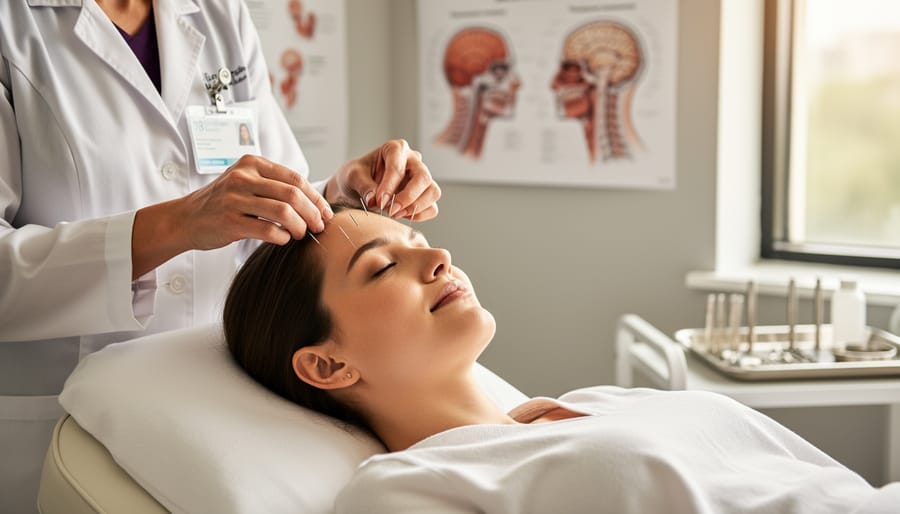
Physical approaches to migraine management work through different mechanisms that address the physical and neurological aspects of the condition. These therapies aim to influence how the nervous system processes pain signals, reduce muscle-related triggers, and address structural factors that may contribute to attacks.
Acupuncture involves inserting thin needles at specific points on the body. Practitioners believe this stimulates the nervous system and may influence pain pathways, though the exact mechanisms remain under investigation. Some people find regular sessions help reduce how often migraines occur, though responses vary considerably between individuals.
Massage therapy targets muscle tension, particularly in the neck, shoulders, and scalp where tightness can contribute to migraine triggers. Therapists use various techniques to release trigger points and improve circulation. The relaxation response may also help by reducing stress levels that often precipitate attacks.
Chiropractic care focuses on spinal alignment and neck function. Chiropractors work to correct postural issues and joint restrictions that might affect nerve function. This approach particularly interests people whose migraines seem connected to neck pain or poor posture, though it’s not appropriate for everyone.
Physical therapy combines multiple techniques including posture correction, strengthening exercises, and manual therapy. A physical therapist can identify specific movement patterns or muscle imbalances that may contribute to migraine susceptibility and create personalized exercise programs to address them.
These physical therapies often complement each other and work best as part of a broader management strategy rather than as standalone solutions.
Nutritional and Supplemental Approaches

What you eat, and what your body may be missing, can play a meaningful role in migraine patterns. Nutritional and supplemental approaches focus on identifying dietary triggers, correcting deficiencies, and supporting the body’s natural defenses against migraine attacks.
Dietary modifications often start with tracking what you eat alongside migraine occurrences to spot potential triggers. Common culprits include aged cheeses, processed meats, artificial sweeteners, and alcohol, though triggers vary widely between individuals. Some people benefit from elimination diets that systematically remove suspected foods for several weeks before reintroducing them one at a time. This methodical approach helps distinguish true triggers from coincidental timing.
Beyond avoiding triggers, certain nutrients have drawn research attention for their potential role in migraine management. Magnesium, riboflavin (vitamin B2), and coenzyme Q10 are among the most studied supplements in migraine care. These nutrients support cellular energy production and may help stabilize the biochemical processes involved in migraine development. Other supplements that appear in research include feverfew and butterbur, though quality and safety vary significantly among products.
It’s crucial to recognize that nutritional deficiencies can make some people more vulnerable to migraines. Rather than self-prescribing supplements based on online recommendations, work with a healthcare provider who can assess your individual needs through appropriate testing. They can help determine which approaches make sense for your situation, monitor for potential interactions with medications, and adjust strategies based on your response over time. Supplements aren’t risk-free simply because they’re natural, and professional guidance ensures you’re using them safely and effectively.
Lifestyle and Environmental Modifications
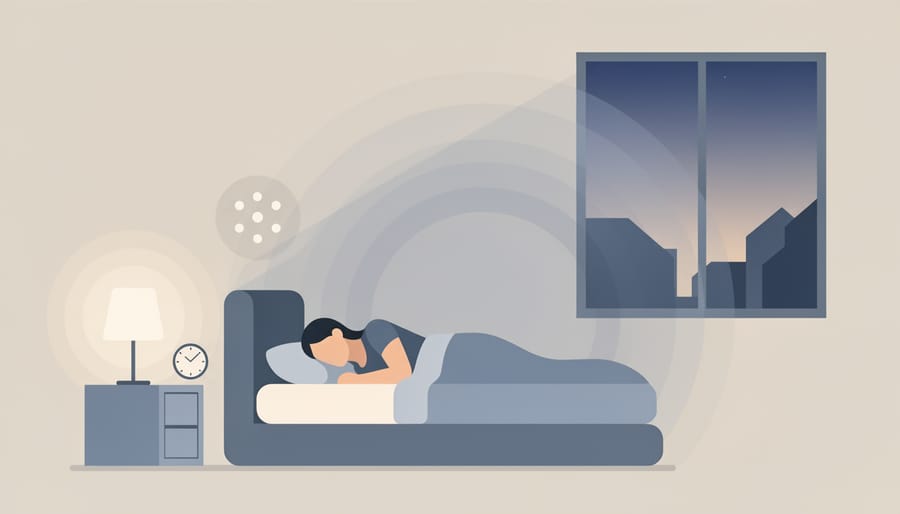
Lifestyle changes form the foundation of alternative migraine management, often delivering meaningful results when applied consistently. Unlike one-time interventions, these modifications work by reducing your baseline vulnerability to triggers and stabilizing the systems that contribute to migraine susceptibility.
Sleep hygiene matters enormously for many migraine sufferers. Going to bed and waking at consistent times, even on weekends, helps regulate circadian rhythms that influence migraine threshold. Keep your bedroom cool, dark, and quiet. Too little sleep is a common trigger, but oversleeping can provoke attacks too, which is why consistency matters more than duration alone.
Regular, moderate exercise can reduce migraine frequency for some people, though intense workouts may trigger attacks in others. Walking, swimming, or gentle yoga often work well. The key is finding activities you can sustain without pushing into overexertion, and warming up gradually to avoid sudden cardiovascular spikes.
Trigger identification requires patience and systematic tracking. Common environmental factors include bright or flickering lights, strong scents, weather changes, and loud noise. Many people find that keeping a detailed migraine diary reveals patterns they hadn’t noticed, perhaps attacks cluster around schedule disruptions, specific foods, or hormonal cycles. Once you identify your triggers, you can modify your environment: adjusting workspace lighting, using fragrance-free products, or planning around weather fronts. These changes won’t eliminate migraines entirely, but they often reduce frequency enough to improve quality of life significantly.
When and How Alternative Treatments Are Used
People often turn to alternative treatments when their current migraine management isn’t working as well as they’d hoped. Some discover these approaches after trying multiple medications without relief, while others explore them because conventional drugs cause uncomfortable side effects or aren’t safe given other health conditions. Pregnancy and breastfeeding commonly prompt this shift, as many migraine medications carry risks during these periods.
Alternative treatments may be particularly helpful in several situations:
- When medications cause intolerable side effects or aren’t medically appropriate
- During pregnancy or breastfeeding when pharmaceutical options are limited
- For chronic migraine with frequent attacks requiring non-drug preventive strategies
- When patients prefer holistic approaches aligned with their values
- To address specific triggers like stress, poor sleep, or dietary factors
These approaches rarely work in isolation. Most people find success by weaving alternative treatments into a broader management plan that includes identifying personal triggers, maintaining consistent sleep schedules, and sometimes continuing appropriate medications. Someone might use mind-body support techniques alongside preventive medication, or combine dietary modifications addressing caffeine and migraines with regular acupuncture sessions.
Tracking your response becomes essential when trying alternative treatments. Keep a migraine diary noting attack frequency, severity, and any new practices you’ve started. This record helps you and your healthcare provider assess what’s actually making a difference, since improvements often develop gradually rather than overnight. Patience matters here, some approaches require consistent practice over weeks or months before you’ll notice meaningful changes in your migraine patterns.
Working with Healthcare Providers
Open conversations about alternative therapies with your healthcare provider form the foundation of safe, effective migraine management. Before starting any new approach, share your complete medical history, current medications, and specific migraine patterns. This transparency helps your doctor identify potential interactions and assess whether a particular treatment aligns with your overall health needs.
Come prepared with questions that matter to your situation. Ask about the evidence supporting treatments you’re considering, what realistic expectations look like, and how to recognize whether something is working. Discuss timeline considerations, since some approaches require consistent practice over weeks or months before benefits emerge. Your provider can also recommend qualified practitioners, help you distinguish between legitimate therapies and unsupported claims, and suggest ways to track your response systematically.
Remember that natural or holistic doesn’t automatically mean safe for everyone. Certain supplements can interfere with medications, and some physical therapies may not suit particular health conditions. Regular check-ins allow your healthcare team to monitor your progress, adjust your approach as needed, and ensure that alternative treatments complement rather than complicate your care. Building this collaborative relationship gives you the guidance and support to explore options confidently while minimizing risks.
Common Questions About Alternative Migraine Treatments
How long does it take to see results from alternative migraine treatments?
The timeline varies significantly by treatment type and individual response. Some people notice changes within a few weeks, while others may need several months of consistent practice or therapy before seeing meaningful improvement in migraine frequency or intensity.
Can alternative treatments replace my migraine medication completely?
This depends entirely on your individual situation and should only be explored with your healthcare provider’s guidance. Some people successfully manage migraines primarily through alternative approaches, while others find these treatments work best as part of a comprehensive plan that includes medication.
Are alternative migraine treatments covered by insurance?
Coverage varies widely by insurance provider and treatment type. Acupuncture, physical therapy, and chiropractic care may have partial coverage, while supplements and some mind-body therapies typically aren’t covered. Check with your insurance company about specific treatments you’re considering.
What credentials should I look for in practitioners?
Seek licensed professionals with recognized training in their specific field: licensed acupuncturists, registered massage therapists, physical therapists, or certified biofeedback practitioners. Ask about their experience treating migraine patients specifically, as this condition requires specialized understanding.
How do I know if a treatment is actually working?
Keep a detailed migraine diary tracking frequency, severity, duration, and associated symptoms before and during treatment. Compare patterns over time rather than expecting immediate dramatic changes, and discuss your observations with your healthcare provider to assess whether the approach is worth continuing.
If you’re uncertain where to start or feeling overwhelmed by options, remember that you don’t have to navigate this alone. Resources that help you find help from qualified practitioners and supportive communities can make the exploration process less daunting. Many people find it helpful to try one approach at a time rather than implementing multiple changes simultaneously, as this makes it easier to identify what’s genuinely making a difference. Start with treatments that align with your preferences and lifestyle, whether that’s a mind-body technique you can practice at home or working with a local practitioner for hands-on therapy.
Alternative migraine treatments expand the toolkit available for managing this complex neurological condition. Whether you’re exploring these options because conventional medications haven’t provided adequate relief, you’re experiencing side effects, or you simply prefer a more holistic approach, these therapies offer additional pathways worth considering.
The journey to effective migraine management is deeply personal. What brings significant relief to one person may not work for another, and discovering your own effective combination requires patience and systematic exploration. This isn’t a weakness in alternative approaches, it reflects the individual nature of migraine triggers, physiology, and response patterns. Give treatments adequate time to work, track your experiences carefully, and adjust your approach based on what you observe.
You don’t need to navigate this path alone. The migraine community offers valuable support as you explore different treatments, and sharing your experiences helps others who face similar challenges. Your healthcare providers serve as essential partners in this process, helping you make informed decisions, monitor safety, and integrate various approaches effectively.
Research into alternative migraine treatments continues to evolve, offering new insights into how these therapies work and which individuals might benefit most. By approaching these options thoughtfully, communicating openly with your medical team, and maintaining realistic expectations, you can build a comprehensive management plan that addresses your unique needs and improves your quality of life.