

Living with migraines means more than enduring pain. It requires understanding a complex neurological condition, recognizing your unique patterns, and building a personalized management plan with your healthcare team. Effective migraine education empowers you to identify triggers, choose appropriate treatments, and communicate clearly with doctors about what you’re experiencing.
Too many people spend years treating migraines as “just bad headaches” without realizing they’re dealing with a genuine neurological disorder that affects approximately one billion people worldwide. This gap in understanding leads to delayed diagnosis, inadequate treatment, and unnecessary suffering. When you know how migraines work in your brain, what sets them off, and which interventions actually help, you move from passive sufferer to active participant in your care.
The right education transforms your relationship with this condition. You learn that the throbbing pain, nausea, and sensitivity to light aren’t signs of weakness or something you need to simply push through. They’re symptoms of measurable changes in brain activity and blood flow that respond to specific treatments. You discover that tracking your attacks reveals patterns you can actually use, that prevention strategies exist beyond over-the-counter painkillers, and that advocating for yourself in medical appointments makes a real difference in outcomes.
This knowledge doesn’t cure migraines, but it does something equally valuable. It gives you tools, language, and confidence to manage a condition that might otherwise control your life. Whether you’ve lived with migraines for decades or just received your diagnosis, understanding the science and strategies behind effective management is your foundation for better days ahead.
Understanding Migraines: More Than Just a Headache
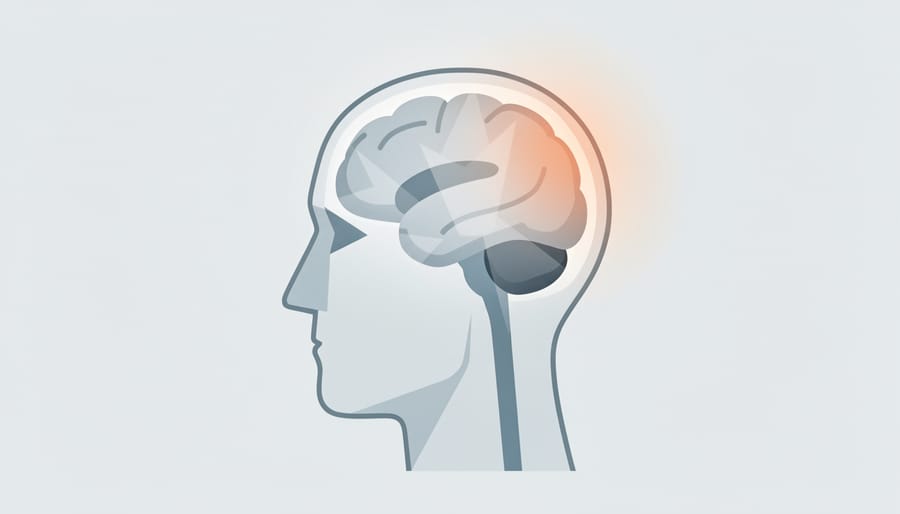
Migraines aren’t simply bad headaches you can push through with willpower. They’re a complex neurological disorder affecting over one billion people worldwide, involving your brain’s electrical and chemical systems in ways that science is still working to fully understand. When you experience a migraine, your brain goes through abnormal patterns of activity that trigger widespread changes affecting pain pathways, blood vessels, and neurotransmitter levels throughout your nervous system.
The distinction matters because treating migraines like ordinary headaches often leads to frustration and inadequate relief. A tension headache typically causes mild to moderate pressure on both sides of your head, responds well to over-the-counter pain relievers, and doesn’t usually interfere with your daily activities. Migraines, by contrast, frequently bring moderate to severe throbbing pain (often on one side), accompanied by nausea, vomiting, and extreme sensitivity to light and sound that can make normal activities impossible. You might need to lie down in a dark, quiet room for hours or even days.
During a migraine attack, researchers believe a wave of electrical activity spreads across your brain’s cortex, followed by reduced blood flow and inflammation around nerve fibers. Your trigeminal nerve, responsible for sensation in your face and head, becomes activated, releasing inflammatory substances that cause the characteristic pain. This process explains why migraines can affect so many body systems simultaneously and why you might experience symptoms like dizziness, confusion, or digestive upset alongside head pain.
Because migraine is often lifelong understanding it as a chronic neurological condition helps shift your mindset from seeking a quick cure to building sustainable management strategies. Your brain has an inherent sensitivity that makes it prone to these attacks when exposed to certain triggers, whether that’s hormonal fluctuations, disrupted sleep, specific foods, weather changes, or stress. This heightened sensitivity doesn’t make migraines your fault or mean you’re weak. It means your nervous system processes certain stimuli differently, requiring you to identify your personal patterns and work with healthcare providers to develop a comprehensive treatment plan that addresses both stopping attacks when they occur and preventing them from happening as frequently.
Recognizing Your Migraine Phases and Symptoms

Early Warning Signs: The Prodrome Phase
The prodrome phase can begin anywhere from a few hours to two days before the headache strikes, yet many patients don’t recognize these early signals for what they are. Learning to spot your prodrome symptoms gives you a crucial window to take preventive medication or adjust your activities before the full attack hits.
Common prodrome symptoms include unexplained fatigue, difficulty concentrating, and subtle mood shifts, you might feel irritable, anxious, or unusually euphoric without clear reason. Physical signs often appear too: neck stiffness or pain, frequent yawning, increased thirst, and needing to urinate more than usual. Some people experience specific food cravings, particularly for sweets or carbohydrates.
Not everyone experiences prodrome, and symptoms vary widely between individuals. You might have consistent warning signs every time, or they might differ from attack to attack. The key is paying attention to patterns that emerge in your migraine diary. When you notice these subtle changes occurring together, they’re likely signaling an incoming migraine rather than random daily fluctuations. This awareness transforms vague discomfort into actionable information that helps you prepare and respond effectively.
Aura: When It Occurs and What It Means
Aura affects about 25% have aura typically appearing 5 to 60 minutes before the headache begins. These temporary neurological symptoms can be unsettling, but understanding them helps reduce anxiety when they occur.
Visual disturbances are most common. You might see zigzag lines, flashing lights, or blind spots that gradually expand across your field of vision. Some people describe shimmering patterns or a sensation like looking through a kaleidoscope. Others experience temporary vision loss in one eye.
Sensory aura creates tingling or numbness, usually starting in your fingertips and spreading up your arm to your face. It feels like pins and needles, similar to when your hand falls asleep. This typically affects one side of your body.
Speech and language problems can also happen. You might struggle to find words, slur your speech, or have difficulty understanding others. These symptoms can be frightening, but they’re reversible and don’t indicate a stroke.
Aura symptoms develop gradually and usually last 20 to 60 minutes before fading as the headache phase begins. If you experience sudden, severe symptoms that differ from your usual pattern, contact your doctor immediately to rule out other conditions.
The Headache Phase and Associated Symptoms
The headache phase is what most people associate with migraines, and it’s typically the most debilitating part of the attack. The pain usually develops on one side of the head, though it can affect both sides or switch locations during an attack. Unlike the dull ache of a tension headache, migraine pain tends to be throbbing or pulsating and worsens with physical activity like walking up stairs or bending over.
Beyond the pain itself, this phase brings a constellation of other symptoms that can be just as distressing. Nausea and vomiting are extremely common, sometimes making it impossible to keep down medication or food. Most migraine sufferers experience heightened sensitivity to light (photophobia) and sound (phonophobia), which is why many retreat to dark, quiet rooms during attacks. Some people also become sensitive to smells or even touch.
The intensity and combination of symptoms varies widely from person to person and even between different attacks in the same individual. Your headache phase might last four hours or stretch beyond three days if untreated. Understanding your typical pattern helps you communicate more effectively with your healthcare provider and time your treatments for maximum benefit.
Identifying and Tracking Your Personal Triggers

How to Keep a Migraine Diary
A migraine diary is your most powerful diagnostic tool. Start by recording the basics: note the date and time your attack begins, how long it lasts, and rate the pain severity on a scale of one to ten. But don’t stop there, the real value comes from capturing the context around each episode.
Document what happened in the 24 hours before symptoms started. What did you eat? How much did you sleep? Were you stressed about a deadline? Did the weather change? For women, track where you are in your menstrual cycle. Record everything you consumed, including the relationship between caffeine and migraines as both having it and skipping it can trigger attacks. Note environmental factors like bright lights, strong smells, or loud noises you encountered.
When an attack occurs, write down which medications you took, the dosage, timing, and how well they worked. If you tried non-drug approaches like ice packs or lying in a dark room, record those too.
After tracking for several weeks, patterns emerge. You might discover that attacks cluster around your period, follow nights of poor sleep, or happen when you skip meals. This information transforms your appointments from guesswork into productive conversations. Your healthcare provider can spot patterns you miss and adjust treatment based on real data rather than memory alone.
Keep your diary simple enough that you’ll actually use it, a notebook, phone app, or printable form all work if you’re consistent.
Treatment Options: Building Your Migraine Management Plan
Acute Treatments: Stopping an Attack
When a migraine strikes, stopping it quickly requires the right medication taken at the right time. Most effective acute treatments work best when you take them at the first sign of an attack, before pain becomes severe.
Over-the-counter options like ibuprofen, naproxen, or aspirin can stop mild to moderate migraines, especially when combined with caffeine. For many people, these simple medications provide adequate relief if taken early enough. However, they’re less effective once the attack progresses.
Triptans remain the gold standard for moderate to severe migraines. Medications like sumatriptan, rizatriptan, and eletriptan work by narrowing blood vessels and blocking pain pathways in the brain. Available as pills, nasal sprays, or injections, they can halt an attack within an hour when taken early. Not everyone responds to the same triptan, so finding the right one may take some trial.
Newer CGRP antagonists, including ubrogepant and rimegepant, offer an alternative for people who can’t take triptans or don’t respond to them. These medications block the CGRP protein involved in migraine attacks without affecting blood vessels.
Timing matters enormously. Waiting too long reduces effectiveness and may require stronger doses or additional medications. Equally important: avoid using acute medications more than two to three days per week. Overuse can lead to medication overuse headache, creating a difficult cycle of rebound pain that makes migraines worse and harder to treat.
Preventive Treatments: Reducing Attack Frequency
Preventive treatment becomes worth considering when migraines occur four or more times per month, cause significant disability, or don’t respond well to acute medications. The goal is to reduce how often attacks happen and make them less severe when they do strike.
Daily oral medications have been used for decades, including beta-blockers like propranolol, antidepressants such as amitriptyline, and anti-seizure drugs like topiramate. These weren’t originally designed for migraines, but they’ve proven effective for many patients. Your doctor will choose based on your specific situation, other health conditions, and potential side effects.
Newer preventive options target CGRP, a protein involved in migraine attacks. Monthly or quarterly injectable CGRP monoclonal antibodies like erenumab, fremanezumab, and galcanezumab were developed specifically for migraine prevention. Many patients see fewer attacks within the first month, though you should give any preventive at least three months to judge its full effect.
Botox injections, administered every 12 weeks across specific head and neck sites, are FDA-approved for chronic migraine (15 or more headache days per month). The procedure takes about 15 minutes, and results typically appear within two to four weeks.
Realistic expectations matter. Preventive treatments rarely eliminate migraines completely, but a 50% reduction in attack frequency counts as success and can dramatically improve quality of life. Finding the right preventive often requires patience and sometimes trying different options.
Complementary and Integrative Approaches
Many patients find that integrating evidence-based complementary therapies alongside their medication regimen helps reduce migraine frequency and severity. These approaches don’t replace conventional treatment but can strengthen your overall management strategy.
| Therapy | Evidence Level | Typical Usage | Potential Benefits |
|---|---|---|---|
| Magnesium | Strong | 400-600 mg daily | Reduces attack frequency, especially for menstrual migraines |
| Riboflavin (B2) | Strong | 400 mg daily | Decreases migraine frequency after 3-4 months |
| CoQ10 | Moderate | 100-300 mg daily | May reduce attack frequency and duration |
| Acupuncture | Moderate | Weekly sessions initially | Comparable to preventive medications for some patients |
| Biofeedback | Strong | Training sessions, then self-practice | Helps control physical responses to triggers and stress |
Relaxation techniques, including progressive muscle relaxation, guided imagery, and deep breathing exercises, offer drug-free ways to manage stress and reduce muscle tension that can trigger attacks. Many patients combine several approaches, for instance, taking magnesium while practicing biofeedback, to create a personalized toolkit. Before starting any supplement, discuss it with your doctor to check for interactions with your current medications and ensure appropriate dosing.
Communicating Effectively with Your Healthcare Team
Your relationship with your healthcare team forms the backbone of effective migraine management. The more clearly you communicate your experiences, the better equipped your doctor is to help you find the right treatment approach.
Before each appointment, prepare a summary of your migraine patterns using your diary. Note how many attacks you’ve had since your last visit, their severity, what you tried, and what worked or didn’t. Write down your top three concerns or questions so you don’t forget them during the discussion.
When describing your symptoms, be specific. Instead of saying “my head hurts a lot,” explain where the pain is located, what it feels like (throbbing, stabbing, pressure), how severe it is on a scale of 1-10, and what other symptoms accompany it. Mention how migraines affect your daily life, missed work days, cancelled plans, or impacts on relationships. If you’re experiencing accompanying issues like anxiety or depression, sharing this context helps your doctor understand the full picture since migraines and depression often occur together and may require coordinated mental health support.
Don’t hesitate to ask questions about recommended treatments: How long until they work? What side effects should I watch for? What’s the plan if this doesn’t help? A good doctor welcomes your questions and sees you as a partner in your care.
Consider seeking a headache specialist or neurologist if you’re having frequent attacks (more than four per month), your current treatments aren’t working, or your migraines have recently changed significantly in pattern or severity. Specialists have deeper expertise in complex cases and access to newer treatment options that general practitioners may not routinely prescribe.
Living Well with Migraines: Lifestyle Strategies That Help

Your daily habits can significantly influence your migraine frequency and severity. While you can’t control every aspect of this neurological condition, you can build a foundation of lifestyle practices that support your brain’s stability and reduce the likelihood of attacks.
Sleep: Your Brain’s Reset Button
Maintaining consistent sleep and wake times, even on weekends, ranks among the most powerful lifestyle interventions for migraine management. Your brain craves regularity. Going to bed at 10 PM on weekdays and midnight on Saturdays can trigger attacks just as easily as getting too little sleep. Aim for seven to nine hours nightly in a cool, dark, quiet room. Remove screens at least an hour before bed, as the blue light can disrupt melatonin production and make falling asleep harder.
Eating Patterns That Stabilize Blood Sugar
Skipping meals or going too long between eating can provoke migraines in many people. Rather than focusing solely on eliminating trigger foods, prioritize regular meal timing. Eat within an hour of waking, then every three to four hours throughout the day. This steadies blood sugar levels and prevents the energy dips that can set off attacks. Keep simple snacks like nuts, fruit, or crackers handy for busy days when sit-down meals aren’t possible.
Movement Without Overexertion
Regular, moderate exercise helps reduce migraine frequency for many patients, but the key word is moderate. Intense workouts or sudden bursts of activity can trigger attacks. Start with gentle activities like walking, swimming, or yoga. Warm up gradually, stay hydrated during exercise, and cool down properly. Consistency matters more than intensity, twenty minutes of walking five days a week typically helps more than occasional aggressive gym sessions.
Stress Management as Daily Practice
Since stress ranks as one of the most common migraine triggers, developing regular stress-reduction techniques becomes essential rather than optional. Deep breathing exercises, progressive muscle relaxation, meditation apps, or simply taking short breaks throughout your day can lower your baseline stress levels. You don’t need an hour-long practice; five minutes of focused breathing when you notice tension building can make a real difference.
Creating Migraine-Friendly Spaces
Adjust your environment to minimize sensory triggers. At work, position your computer screen to reduce glare, take regular breaks from screens, and if possible, avoid fluorescent lighting by using a desk lamp instead. At home, keep rooms at comfortable temperatures, use blackout curtains in your bedroom, and reduce strong scents from candles, air fresheners, or cleaning products. Small environmental changes compound over time into meaningful migraine reduction.
Finding Support and Community Resources
Living with migraines can feel isolating, especially when others don’t understand the severity of your attacks. Connecting with people who truly get it makes a real difference in how you cope and manage your condition.
Patient advocacy organizations offer reliable migraine resources from educational materials to research updates. Groups like the American Migraine Foundation and the Migraine Trust provide free information on treatments, clinical trials, and self-management strategies. Many also host webinars where you can learn from headache specialists without leaving home.
Online communities let you share experiences at any hour. Forums, Facebook groups, and Reddit communities connect you with others navigating similar challenges. Sarah, who was diagnosed three years ago, found her online support group invaluable: “Reading about how others handle work accommodations and talk to their families gave me scripts I could actually use. I stopped feeling like I was making excuses.”
Local support groups offer face-to-face connections. Check with headache centers or neurologist offices about meetings in your area. Some prefer the anonymity of online spaces, while others value the personal connection of meeting fellow migraine warriors over coffee.
Don’t underestimate how powerful it feels to talk with someone who doesn’t question whether your migraine is “that bad.” These connections remind you that you’re not alone and that others have found ways to thrive despite chronic attacks.
Common Questions About Migraine Education
How long does it take to see improvement once I start managing my migraines better?
Most patients notice some changes within a few weeks of implementing lifestyle modifications and tracking triggers, though preventive medications typically require 2-3 months to show their full effect. Patience is essential because migraine management is about gradual progress, not overnight transformation.
Can migraines be cured, or will I have them forever?
Migraines are a chronic neurological condition without a cure, but they are highly manageable. Many patients experience significant reduction in attack frequency and severity through proper treatment, and some find their migraines change or even resolve over time, particularly after hormonal shifts like menopause.
What should I do when people don’t take my migraines seriously?
Educate others using simple, factual language about migraines as a neurological disorder, not just a headache. Share resources from reputable organizations, and don’t hesitate to set boundaries about what you can and cannot do during an attack or when managing your condition.
How do I know when my current treatment plan isn’t working?
If you’re still experiencing more than four migraine days per month after three months on preventive treatment, or if acute medications stop providing relief, it’s time to revisit your plan with your doctor. Keep detailed records of your attacks and treatment responses to guide these conversations.
Is it normal to feel overwhelmed by all the information about migraine management?
Absolutely. Start with one change at a time rather than overhauling everything at once. Focus first on consistent tracking, then work with your healthcare provider to prioritize which interventions to try based on your specific patterns and needs.
These questions reflect what many newly diagnosed patients struggle with as they navigate their journey. The uncertainty about timelines can create unrealistic expectations, so understanding that effective migraine management unfolds over weeks and months helps you stay committed when results aren’t immediate. Treatment requires experimentation and adjustment, which means some trial and error is part of the process, not a sign of failure.
The social dimension of living with migraines often catches people off guard. Friends, family members, or employers who have never experienced a migraine may minimize your experience or suggest simplistic solutions. Having clear, confident responses ready can reduce the emotional burden of repeatedly defending or explaining your condition. Remember that your health decisions are yours to make, and you don’t owe anyone a detailed justification for the accommodations you need.
Living with migraines means accepting that you have a chronic condition, but it doesn’t mean accepting limitations without a fight. The knowledge you’ve gained about your migraine phases, personal triggers, and treatment options gives you real power to shape your experience with this neurological disorder.
Management improves when you stay curious and engaged. Your migraine patterns may shift over time, new treatments continue to emerge, and what works for you today might need adjustment tomorrow. Keep tracking your attacks, stay honest with your healthcare team about what’s working and what isn’t, and don’t hesitate to ask questions or push for referrals when you need specialized care.
You’re not managing this alone. The migraine community includes millions of people who understand the invisible burden you carry. Whether you connect through online support groups, advocacy organizations, or conversations with others who truly get it, that sense of belonging matters. It validates your experience and reminds you that effective management is possible.
Take what you’ve learned here and put it into practice. Start your migraine diary if you haven’t already. Schedule that overdue doctor’s appointment. Try one new lifestyle strategy this month. Small, consistent steps add up to meaningful change in how you live with migraines.