
Every Migraine Resource You Need to Find Help and Hope

Living with migraines means navigating a complex landscape of medical information, treatment options, and support systems, often while managing debilitating symptoms. A comprehensive migraine resource serves as your roadmap through this landscape, connecting you to trustworthy educational materials, evidence-based treatment guidance, specialist networks, and community support that together form a complete care toolkit.

Finding the right resources matters because migraines affect every aspect of life, from work and relationships to mental health and daily activities. Yet many people spend years piecing together information from scattered sources, some reliable and others misleading. The difference between struggling alone and managing effectively often comes down to knowing where to look and what questions to ask.

The most valuable migraine resources share certain qualities: they’re grounded in current research, created or reviewed by headache specialists, transparent about their funding and affiliations, and written in language that respects both your intelligence and your need for clarity. They also recognize that migraines aren’t just a medical condition but an experience that requires both clinical expertise and human understanding.

This guide organizes essential migraine resources by purpose, helping you build a personalized toolkit whether you’re newly diagnosed, searching for better treatment options, or advocating for yourself in healthcare settings. You’ll find pathways to credible medical information, specialist care, peer support, and advocacy tools that address both the physical reality of migraines and the emotional weight of living with a chronic neurological condition.

Understanding What Makes a Migraine Resource Trustworthy

When you’re living with migraines, the resources you rely on need to be accurate and trustworthy. Misinformation can lead you down expensive, ineffective, or even harmful paths. Knowing how to evaluate the quality of a migraine resource protects both your health and your hope.

Start by examining who created the resource. Trustworthy sources typically come from established medical institutions, universities with active migraine research programs, or recognized patient advocacy organizations. Look for named authors with relevant credentials. A neurologist specializing in headache disorders or a researcher publishing in peer-reviewed journals brings authority that anonymous blog posts cannot match. Be wary of resources that exist primarily to sell a single product or treatment, especially if they make dramatic cure claims.

Research backing separates evidence-based guidance from speculation. Quality resources cite specific studies, reference medical journals, or link to published research. They acknowledge what remains unknown rather than promising certainty where none exists. The best educational materials explain the strength of evidence behind different treatments, noting which have robust clinical trial support versus those with only anecdotal reports.

Look for these hallmarks of reliable migraine resources:

  • Affiliations with academic medical centers, neurology departments, or established research institutions
  • Regular updates reflecting current science rather than outdated information from years past
  • Transparent funding sources and clear disclosure of any commercial relationships
  • Expert medical review by board-certified neurologists or headache specialists
  • Inclusion of patient perspectives alongside clinical information
  • References to peer-reviewed studies rather than testimonials alone

Endorsements from recognized advocacy organizations signal credibility, but verify that these organizations themselves have strong scientific advisory boards. The most valuable resources balance clinical expertise with lived experience, presenting information that helps you make informed decisions rather than prescribing a one-size-fits-all approach. When a resource acknowledges migraine’s complexity and individual variability, that humility often indicates trustworthiness.

Essential Migraine Resources for Understanding Your Condition

Research-Based Educational Materials

Person resting in a dim room while holding a migraine diary notebook and pen
A quiet moment of tracking symptoms helps transform uncertainty into actionable information and self-advocacy.

Leading medical institutions offer migraine education that translates complex neuroscience into practical understanding without oversimplifying. The American Migraine Foundation and National Institute of Neurological Disorders and Stroke maintain comprehensive libraries explaining migraine pathophysiology, genetic factors, and the latest research findings in language accessible to non-specialists. Their materials undergo expert review while avoiding the technical jargon that makes academic journals impenetrable.

University-affiliated headache centers publish patient education guides grounded in clinical trials and peer-reviewed research. Johns Hopkins, Mayo Clinic, and Cleveland Clinic maintain updated migraine resource sections covering everything from trigger identification to the relationship between caffeine and migraines each article citing specific studies while remaining readable during a migraine attack. These institutions update content as new research emerges, ensuring you’re working with current science rather than outdated theories.

Government health agencies like the NIH’s MedlinePlus offer vetted resources that synthesize research consensus without commercial bias. Tools like the Ottawa patient decision aid help you weigh treatment options using evidence-based frameworks. Look for resources that cite sources, include publication dates, and distinguish between established facts and emerging research. The best educational materials acknowledge what science doesn’t yet understand about migraines rather than claiming definitive answers to every question.

Community Knowledge Libraries

Community knowledge libraries transform the isolation of migraine into a shared understanding through thousands of personal stories and experiences. These patient-contributed collections fill gaps that clinical resources can’t address, the emotional reality of canceling plans again, the workplace conversations that go wrong, the relationships strained by invisible pain.

“I finally stopped feeling like I was exaggerating when I read someone else describe the exact exhaustion I feel after an attack. That validation changed everything.”

Platforms like The Migraine Trust’s patient story archive and the Migraine Again community forums house detailed accounts of real treatment journeys, complete with side effects, timeline expectations, and honest assessments of what worked and what didn’t. You’ll find people who’ve navigated the same medication you’re considering or tried the same elimination diet, sharing the practical details your doctor doesn’t have time to cover in a fifteen-minute appointment.

Patient-curated trigger databases let you search by specific triggers, helping you understand patterns like whether others successfully fix caffeine triggers or manage weather sensitivity. These crowdsourced collections organize lived experience into searchable, actionable insights.

Reddit’s r/migraine community and dedicated Facebook groups create living libraries where members document their experiences with emerging treatments, insurance battles, and accommodation strategies. Search these archives before starting a new medication or preparing for a difficult conversation with your employer. The collective wisdom of people living with migraines provides context, realistic expectations, and the kind of nuanced advice that comes only from walking the same path. These resources don’t replace medical guidance, they humanize it, showing you what clinical information looks like in real life.

Treatment and Management Resources That Actually Help

Healthcare professional speaking with a patient in a clinic hallway
Trusted migraine care often starts with understanding, attentive communication, and expertise you can rely on.

Finding Healthcare Providers Who Understand Migraines

Finding the right healthcare provider can transform your migraine experience from endless trial-and-error to targeted, effective treatment. Not all doctors understand the complexity of migraines, and many still treat them as “just headaches” rather than the neurological condition they are.

Start with the American Migraine Foundation’s provider directory, which lists neurologists and headache specialists who’ve completed fellowship training in headache medicine. These specialists have spent an additional year beyond neurology training focused exclusively on headache disorders. The National Headache Foundation maintains a similar database, searchable by location and insurance acceptance.

For comprehensive care, look for certified headache clinics accredited by the United Council for Neurologic Subspecialties. These facilities offer coordinated treatment teams including neurologists, pain specialists, psychologists, and physical therapists who understand how different approaches work together.

Ask potential providers specific questions: How many migraine patients do they see monthly? What’s their philosophy on preventive versus rescue treatment? Do they stay current with emerging therapies like CGRP inhibitors and neuromodulation devices? A provider who sees dozens of migraine patients weekly will recognize patterns and subtleties that generalists miss.

Your primary care doctor can be a valuable migraine resource too, especially for coordinating care between specialists. Share educational materials from advocacy organizations to help them understand current treatment standards. Many excellent providers simply need exposure to the latest research to become better partners in your care.

Treatment Option Databases and Decision Tools

Finding the right treatment means understanding what’s available and what evidence supports it. Treatment databases help you explore options alongside your healthcare provider, not replace their guidance.

Note: Treatment databases are research tools to inform conversations with your doctor, never replacements for professional medical advice tailored to your specific health history.

Start with medication databases that organize migraine treatments by category: preventive medications, acute treatments, and rescue options. The American Headache Society maintains a comprehensive medication guide with approval dates, mechanism of action, common dosages, and side effect profiles. This resource helps you prepare informed questions before appointments rather than simply accepting the first prescription offered.

Decision tools add another layer by comparing treatment approaches. The Migraine Treatment Decision Aid from The Migraine Trust walks you through effectiveness percentages, time to benefit, costs, and lifestyle impacts for different medication classes. You answer questions about your migraine pattern, previous treatments, and priorities, then receive a personalized comparison chart to discuss with your provider.

Alternative therapy directories evaluate non-pharmaceutical options with evidence ratings. The National Center for Complementary and Integrative Health grades approaches like acupuncture, biofeedback, and supplements based on research quality. Each therapy entry includes mechanism explanations, typical protocols, and what the current evidence actually shows versus marketing claims.

Combination therapy guides recognize that many people need multiple approaches. Resources like the Headache and Migraine Policy Forum’s treatment pathways show how medications, lifestyle modifications, and complementary therapies work together. These guides often include a migraine trigger guide to help identify factors that might undermine even the best treatment plan.

Look for databases that cite their sources, update regularly with new research, and clearly mark when evidence is limited. This combination of resources transforms you from passive patient to informed partner in your care decisions.

Support Resources for Your Migraine Journey

Quiet room with softly lit chairs arranged as a support circle
A supportive community space symbolizes the peer connection and understanding that can ease the burden of migraine.

Living with migraines means navigating both physical symptoms and emotional challenges, and you don’t have to do either alone. Beyond treatment information, support resources provide the human connection and practical tools that help you manage daily life with chronic head pain.

Peer support groups create space to share experiences with people who truly understand. The Migraine World Summit connects thousands worldwide through online events and year-round forums where members discuss everything from how to reduce caffeine symptoms to managing relationships during chronic illness. The National Headache Foundation hosts local support groups across North America, while Facebook groups like Migraine Strong and Chronic Migraine Awareness offer 24/7 peer connection. These communities validate your experience and provide practical coping strategies that research papers can’t capture.

Professional counseling services specializing in chronic pain help address the mental health impact of recurring migraines. The American Chronic Pain Association maintains a directory of therapists trained in chronic pain psychology, while organizations like Migraine Again offer teletherapy specifically for headache disorders. Many find cognitive behavioral therapy particularly helpful for managing anticipatory anxiety and developing resilience between episodes.

Workplace resources protect your rights and help you stay employed while managing your condition. The Job Accommodation Network provides free consulting on reasonable accommodations for migraine sufferers, including flexible scheduling, remote work options, and environmental modifications like lighting adjustments. Their consultants can help you draft accommodation requests that frame your needs professionally while protecting your legal rights under the Americans with Disabilities Act.

Caregiver support networks recognize that migraines affect entire families. The Migraine Research Foundation offers guides for partners and family members who want to provide better support, while caregiver-specific forums on HealthUnlocked and Inspire let loved ones connect with others in similar situations. These resources help caregivers understand the invisible nature of migraine pain and learn to balance support with maintaining their own wellbeing.

Advocacy Resources to Make Your Voice Heard

Your voice matters in shaping how society understands and responds to migraines. Advocacy transforms personal experience into collective power, and numerous resources exist to help you contribute to change whether you have ten minutes or want to commit to ongoing involvement.

Organizations like the American Migraine Foundation and the Coalition for Headache and Migraine Patients (CHAMP) provide structured advocacy opportunities ranging from signing petitions to meeting with legislators. Their action centers alert you to pending legislation affecting migraine care access, insurance coverage, and disability recognition. You can often participate remotely through email campaigns or scheduled calls to representatives, making advocacy accessible even during difficult symptom periods.

Clinical trial registries such as and patient recruitment platforms connect you with research studies seeking participants. Contributing to migraine research directly advances treatment development while potentially giving you early access to emerging therapies. Many studies now offer remote participation options, reducing the burden on those with travel limitations.

Social media advocacy has become powerful for raising awareness and challenging misconceptions. Platforms like Migraine Meanderings and various Instagram advocacy communities provide templates, graphics, and messaging guidance for sharing your story effectively. These resources help you communicate your experience without explaining everything from scratch each time.

Patient advocacy training programs, offered by organizations such as the Headache & Migraine Policy Forum, teach skills for effective advocacy including how to share personal narratives with impact, understand policy processes, and communicate with media. These programs prepare you to speak at hearings, participate in roundtables, or contribute to awareness campaigns with confidence.

Sharing your migraine story publicly through patient storytelling initiatives creates visibility and connection. Organizations regularly seek patient voices for their websites, awareness campaigns, and educational materials. Your narrative might reach someone who feels alone or influence a decision-maker who needs to understand the real impact of living with migraines.

Resources for Specific Migraine Populations

Migraine affects people differently across life stages and circumstances, which means one-size-fits-all resources often miss critical needs. Specialized migraine resources acknowledge these differences and provide tailored guidance that addresses your specific situation.

Children with migraines face unique challenges that adult-focused resources don’t adequately address. The Children’s Headache Foundation offers age-appropriate educational materials, including visual aids explaining what happens during a migraine in terms kids understand. Their school accommodation toolkit helps parents and teachers create supportive learning environments without stigma. Pediatric headache specialists (findable through the American Headache Society’s directory with pediatric filters) understand how to communicate with young patients and involve them in treatment decisions appropriately for their development level.

Population Key Resource Types Where to Find Them
Children & Teens Age-appropriate education, school plans Children’s Headache Foundation, pediatric neurology centers
Pregnancy & Postpartum Safe treatment options, hormonal trigger management American College of Obstetricians and Gynecologists, maternal-fetal medicine specialists
Older Adults Late-onset migraine info, medication interaction tools American Headache Society geriatric resources, headache centers with aging-focused programs
Chronic Migraine Daily management strategies, disability resources Chronic Migraine Awareness, comprehensive headache centers, disability advocacy groups
Comorbid Conditions Multi-condition management, specialist coordination Condition-specific organizations with migraine sections, integrated care clinics

Pregnancy introduces medication restrictions and hormonal changes that dramatically shift migraine patterns. The American College of Obstetricians and Gynecologists maintains updated guidance on pregnancy-safe migraine treatments, while MotherToBaby offers free consultations about medication safety during pregnancy and breastfeeding. Maternal-fetal medicine specialists with headache expertise can coordinate care that protects both parent and baby.

Chronic migraine sufferers (experiencing 15+ headache days monthly) need resources beyond episodic migraine guidance. Organizations like the Coalition for Headache and Migraine Patients advocate specifically for chronic sufferers’ needs, including disability accommodations and insurance coverage for preventive treatments. Comprehensive headache centers with chronic migraine programs offer coordinated care that addresses the psychological toll of constant symptoms alongside medical management.

Those managing migraines with comorbid conditions such as anxiety, fibromyalgia, or autoimmune disorders benefit from resources that address the interconnected nature of their health challenges rather than treating each condition in isolation.

How to Build Your Personal Migraine Resource Toolkit

Hands organizing a migraine resource corkboard with blank index cards and colored sticky notes
Building a personal toolkit brings structure to daily life with migraine and makes help easier to access when symptoms flare.

Building an effective personal migraine resource toolkit starts with honest assessment of your specific needs. Consider which aspects of migraine most affect you: is it understanding triggers, finding treatment, navigating workplace challenges, or connecting with others who understand? Your priorities shape which resources deserve prominent placement in your toolkit.

Start small rather than collecting everything at once. Choose two or three resources in each category that resonate with you, then expand as you discover what helps. Save bookmarks in a dedicated folder, create a physical binder for printouts, or use a note-taking app to organize key information. The format matters less than accessibility when you need it.

Make your toolkit functional during migraine attacks, not just between them. This means printing crucial information like emergency contacts and medication protocols rather than relying solely on digital access when screens might trigger pain. Include quick-reference guides for self-care techniques, a list of your most reliable resources with direct URLs or phone numbers, and summaries of your personal triggers and effective treatments.

Update your resources quarterly as research advances and your situation changes. As you build your toolkit note which resources you actually use versus those collecting dust, then refine accordingly. Share your toolkit structure with a trusted friend or family member who can help you access information during severe episodes when you cannot manage it yourself.

Remember that your toolkit evolves alongside your migraine journey. What works brilliantly today might need adjustment six months from now, and resources that did not fit initially might become essential later.

Living with migraines doesn’t mean facing them alone. You’ve just explored a comprehensive collection of migraine resources designed to support every aspect of your journey, from understanding your condition to connecting with others who truly get it. These tools exist because countless people recognized that migraines demand more than just enduring in silence.

The strongest step you can take is reaching out. Whether you start with an educational resource to better understand your triggers, join a support group to share your experience, or connect with advocacy efforts working toward better migraine care, you’re building a foundation for managing this condition on your terms.

Finding help isn’t weakness. It’s the practical choice that transforms an isolating experience into something manageable. Every person who has successfully navigated migraines has leaned on resources and community at some point. The difference between struggling through attacks and developing effective strategies often comes down to knowing where to turn and actually turning there.

Your next move matters less than making one. Pick a single resource from this guide that speaks to your immediate need. Bookmark it, visit it, use it. Then come back when you’re ready for the next one. Progress happens one resource at a time, and the entire migraine community stands ready to support you.

Can Caffeine Cause Migraines? Why It Happens and How to Fix It

If you’re reading this, there’s a good chance caffeine withdrawal is your problem, not the coffee itself. Most people who think caffeine triggers their migraines are actually experiencing rebound headaches from inconsistent intake: three cups on workdays, none on weekends, and by Saturday afternoon, the migraine hits.

Here’s your quickest diagnostic check: Does your migraine typically start 12 to 24 hours after you skip or significantly reduce your usual caffeine? If yes, withdrawal is the culprit. The fix is straightforward but requires commitment: stabilize your intake at the same amount every single day, including weekends, or taper down gradually over two to three weeks until you’re caffeine-free.

That said, some people genuinely do experience caffeine as a migraine trigger, especially at high doses above 400 mg daily (roughly four cups of coffee). The confusion comes from caffeine’s paradox: in small, consistent amounts, it can actually help abort a migraine attack, which is why it’s an ingredient in many migraine medications. But irregular use, excessive consumption, or sudden withdrawal flips that benefit into a trigger.

This article walks you through symptom triage to identify which caffeine pattern applies to you, explains the biological mechanisms behind both the help and the harm, and provides a step-by-step plan to fix your relationship with caffeine. We’ll also cover when to seek professional help, because if you’re experiencing severe or frequent migraines, a conversation with your healthcare provider matters more than any dietary adjustment.

You’re not alone in this confusion. Many in the migraine community have navigated this exact troubleshooting journey, and clarity is possible.

Understanding Your Symptoms: Is Caffeine the Culprit?

The first step in solving caffeine-related migraines is figuring out whether caffeine is actually the problem. Your migraines might follow patterns you’ve never noticed before.

Start by asking yourself when your migraines occur. Do they happen on weekend mornings when you sleep in and delay your usual coffee? Do they strike mid-afternoon when you normally have your second cup but skipped it? The timing matters because caffeine withdrawal typically kicks in 12 to 24 hours after your last dose. If your migraines consistently appear during these windows, caffeine might be the culprit.

Pay attention to how much caffeine you consume daily. Most people underestimate their intake because they forget about tea, soda, energy drinks, chocolate, and pain relievers that contain caffeine. Add up everything you consume in a typical day. If you’re regularly taking in more than 400 milligrams, roughly four cups of coffee, you’re in the zone where overconsumption can trigger migraines in sensitive individuals.

Here are warning signs that caffeine may be triggering your migraines:

  • Your migraines consistently occur on days when you consume less caffeine than usual or skip it entirely
  • Headaches develop within 12-24 hours of missing your regular caffeine intake
  • Weekend or vacation migraines appear when your routine changes
  • Your daily caffeine consumption exceeds 400 milligrams
  • Migraines worsen throughout the day if you don’t have caffeine
  • You feel better within 30 minutes of consuming caffeine
  • Your caffeine intake varies significantly from day to day

The pattern that emerges over a week or two tells the real story. Keep a simple log for at least two weeks: note every source of caffeine, the amount, and the time you consumed it. Mark when migraines start, how severe they are, and what helps. This tracking reveals connections you can’t see in the moment. You’re not looking for perfection, you’re looking for patterns that repeat.

Steaming coffee mug next to a kitchen timer on a countertop with a hand hovering nearby
This image visually captures the timing connection many people notice between caffeine intake and migraine flare-ups.

Why Caffeine Can Cause Migraines: The Main Culprits

Person holding their temples in a dim room with a travel mug nearby
The photo conveys how caffeine-related triggers can leave someone feeling tense and unwell during a migraine episode.

Caffeine Withdrawal: The Rebound Effect

When you skip your morning coffee or sleep in on Saturday, your body doesn’t just miss the caffeine, it actively rebels. Regular caffeine consumption keeps your blood vessels in a constricted state. Miss your usual dose, and those vessels suddenly dilate through what researchers call the rebound vasodilation mechanism flooding pain-sensitive areas around your brain with increased blood flow. This rapid expansion triggers the throbbing pain characteristic of withdrawal headaches and full-blown migraines.

The timing is predictable. Withdrawal symptoms typically surface 12 to 24 hours after your last caffeine hit, which explains why weekend migraines strike people who drink coffee all week but sleep through their usual morning cup on Saturdays. If you consume 200mg or more daily, roughly two cups of coffee, you’re at higher risk. Your individual susceptibility depends on how quickly your body metabolizes caffeine and how long you’ve maintained your consumption pattern. Someone who’s had three cups every morning for years will experience more severe withdrawal than a casual drinker.

Overconsumption and Sensitivity

Consuming too much caffeine floods your nervous system with stimulation, causing blood vessels to constrict excessively before they dilate in response. This vascular instability creates the perfect conditions for a migraine. The threshold varies dramatically from person to person.

Your genetics play a significant role in how you process caffeine. Some people metabolize it quickly through liver enzymes, clearing it from their system in three to five hours. Others are slow metabolizers who feel effects for eight hours or longer. If you’re a slow metabolizer, even moderate amounts can accumulate throughout the day, triggering migraines by afternoon or evening.

Individual sensitivity also depends on factors like body weight, medications, hormonal fluctuations, and existing neurological conditions. Someone who tolerates 400mg daily might feel fine, while another person experiences migraines from a single cup of tea containing just 30mg.

Pay attention to your personal response rather than following general guidelines. What matters is your threshold, not population averages. If you notice migraines consistently appearing after certain amounts, that’s your body providing clear feedback about its limits.

Inconsistent Intake Patterns

Your body craves consistency more than you might realize. If you’re the type who powers through weekdays with three cups of coffee but sleeps in Saturday and skips your morning caffeine, you’re setting yourself up for weekend migraines. This “weekend headache” phenomenon is common and frustrating, countless people suffer attacks on their days off specifically because their caffeine schedule changes.

The problem isn’t just complete withdrawal. Even shifting your usual coffee time by a few hours disrupts your system. Say you normally have coffee at 7 a.m. Monday through Friday, but on weekends you don’t drink it until 11 a.m. Those four extra hours without caffeine trigger the same vascular changes that cause withdrawal headaches. Studies have documented weekend attacks linked to withdrawal in regular caffeine users who alter their intake patterns.

The solution isn’t necessarily quitting caffeine, it’s establishing the same intake at the same time every single day. If Saturday morning coffee at 7 a.m. sounds unbearable, you might need to adjust your overall relationship with caffeine rather than ride this exhausting cycle.

Hidden Caffeine Sources

You might think you’re only getting caffeine from your morning coffee, but you’re probably consuming far more than you realize. Many everyday items contain surprising amounts of caffeine that can push you over your personal threshold without your knowledge.

Medications are among the sneakiest culprits. Over-the-counter pain relievers, especially those marketed for headaches, often contain 65-130 mg of caffeine per dose. If you’re taking these for a headache that’s actually caffeine withdrawal, you’re reinforcing the cycle. Some cold medicines, weight loss supplements, and even certain prescription medications contain caffeine that your doctor might not mention.

Hidden Source Serving Size Caffeine Content
Excedrin Migraine 2 tablets 130 mg
Dark chocolate (70-85% cacao) 1 oz (28g) 20-25 mg
Decaf coffee 8 oz cup 2-15 mg
Green tea ice cream 1/2 cup 15-25 mg
Chocolate protein bars 1 bar 10-30 mg

Food sources add up quickly too. Chocolate contains varying amounts depending on cocoa content, that afternoon chocolate bar might deliver 20-30 mg. Coffee-flavored yogurt, ice cream, and baked goods all contribute. Even decaf coffee isn’t caffeine-free, typically containing 2-15 mg per cup.

Check labels carefully on energy waters, vitamin-enhanced beverages, and kombucha. Some brands sneak in caffeine without prominently advertising it. When tracking your intake, don’t forget these hidden sources, they’re often the difference between staying under your threshold and triggering a migraine.

How to Fix Caffeine-Related Migraines: Step-by-Step Solutions

Step 1: Track Your Caffeine Intake and Migraine Patterns

Start a migraine diary today, it’s your most powerful tool for spotting caffeine connections. Grab your phone or a notebook and commit to two weeks of detailed tracking. That’s the minimum timeframe needed to catch weekly patterns like weekend migraines.

Record every source of caffeine with amounts and times: your morning coffee (specify ounces and type), afternoon soda, energy drinks, tea, chocolate, and any medications containing caffeine. Don’t guess, measure. A “cup” of coffee varies wildly from 80 to 200 mg depending on brew strength and size.

When migraines strike, note the exact time, severity (rate 1-10), and any other symptoms. Critically, track the 24 hours before each migraine, this reveals whether you consumed less caffeine than usual or skipped your regular timing.

Also record your sleep quality, stress levels, and menstrual cycle if applicable, since these interact with caffeine sensitivity. After two weeks, review your notes for patterns. Do migraines cluster on days you wake up late and miss your usual coffee time? Do they follow low-caffeine days after high-consumption periods?

Step 2: Gradually Reduce Your Caffeine Consumption

If you’ve identified caffeine as a migraine trigger, resist the urge to quit cold turkey, this often triggers severe withdrawal headaches that can feel worse than your original migraines. Gradual caffeine tapering is the safest approach, allowing your body to adjust without triggering rebound symptoms.

Warning: Stopping caffeine abruptly can trigger severe withdrawal migraines that last several days. Always taper slowly to avoid making your symptoms worse.

Start by calculating your current daily caffeine intake, then reduce by about 25% each week. For someone consuming 400mg daily (roughly four cups of coffee), this means cutting back to 300mg in week one, then 200mg in week two, and so on. Some people find switching to half-caff coffee or mixing regular with decaf makes this easier to manage.

Time your reductions carefully. Don’t start tapering during a stressful week at work or before major commitments. The process typically takes three to four weeks for heavy caffeine users, and you might experience mild headaches, fatigue, or irritability along the way. These symptoms usually peak within 24-48 hours after each reduction and then improve, signaling your body is adjusting. If withdrawal symptoms feel overwhelming, slow your taper, there’s no prize for speed here.

Step 3: Stabilize Your Daily Intake

Once you’ve reduced to a comfortable level, consistency becomes your best defense against caffeine-triggered migraines. The goal isn’t perfection, it’s preventing the dramatic swings that provoke withdrawal headaches.

Consume the same amount of caffeine at roughly the same times every day. If you drink coffee at 7 a.m. on weekdays, do the same on weekends. Sleeping in two extra hours on Saturday and delaying your first cup creates enough disruption to trigger a migraine in sensitive individuals.

Set phone reminders if needed, especially for that first morning dose. Your brain adapts to expect caffeine at certain times, and maintaining this schedule keeps blood vessels stable.

Weekend consistency matters most. Many people discover their “weekend migraines” aren’t random but withdrawal symptoms from breaking weekday patterns. If you normally have two coffees by noon Monday through Friday, maintain that schedule on Saturday and Sunday.

Plan ahead for disruptions. Traveling across time zones? Adjust gradually rather than abruptly shifting your caffeine schedule alongside your sleep pattern.

Step 4: Find Your Personal Threshold

After stabilizing your intake, you’re ready to identify your personal caffeine threshold, the amount you can consume without triggering migraines.

Start at your current stable level (where you’ve had no withdrawal symptoms for at least two weeks). If you’re completely caffeine-free and want to reintroduce it, begin with 25-50mg daily.

Test systematically. Maintain this baseline for one week while continuing your migraine diary. If you remain migraine-free, increase by 25-50mg and hold steady for another week. Repeat this process until you either reach your desired intake or notice migraine patterns emerging.

When migraines return, drop back to your previous level, that’s your threshold. Most people can tolerate 200-300mg daily, but some are sensitive at 100mg while others handle 400mg without issues.

Remember, your threshold isn’t fixed. Stress, hormonal changes, sleep deprivation, and aging can lower it. If migraines increase months later despite consistent intake, your tolerance may have shifted. Simply repeat this process with a lower starting point.

When Caffeine Helps: Understanding the Paradox

You’ve probably heard that caffeine can actually *help* migraines, which sounds completely backwards if you’re convinced it’s causing yours. Both statements are true, and understanding why requires looking at timing and dose.

Caffeine constricts blood vessels, which can stop a migraine in its early stages. During a migraine attack, blood vessels in the brain dilate and become inflamed, contributing to that throbbing pain. When you take caffeine early in an attack, it counteracts this dilation, potentially aborting the migraine before it fully develops. This is why many over-the-counter migraine medications, including Excedrin Migraine and various prescription formulations, contain caffeine alongside pain relievers. The caffeine doesn’t just help the headache directly; it also enhances the absorption and effectiveness of other pain medications, making them work faster and more powerfully.

Vasodilation
The widening of blood vessels, which occurs during migraines and contributes to throbbing pain. Caffeine withdrawal also causes vasodilation, triggering headaches.
Vasoconstriction
The narrowing of blood vessels, which caffeine promotes. This effect can stop a developing migraine by reversing the vessel expansion that causes pain.
Analgesic Adjuvant
A substance that enhances pain medication effectiveness. Caffeine increases how quickly and completely your body absorbs pain relievers, making them roughly 40% more effective.
Medication-Overuse Headache
Rebound headaches caused by taking pain medication, including caffeine-containing drugs, too frequently. Typically develops when acute treatments are used more than 10-15 days per month.

The paradox resolves when you recognize that occasional, strategic caffeine use can help migraines, while regular daily consumption sets you up for withdrawal migraines when you miss your usual dose. A cup of coffee to stop an attack once a week works differently than three cups every morning creating a dependency. The problem isn’t caffeine helping migraines, that’s real. The problem is that what helps acutely becomes a trigger when used habitually. Even those caffeine-containing migraine medications can cause rebound headaches if you rely on them too often, typically more than two to three days per week.

Glass of water and herbal tea on a kitchen table with bright morning light in the background
This image supports the article’s fix-and-prevention theme by highlighting hydration and calming alternatives to stabilize daily routines.

Preventing Future Caffeine-Triggered Migraines

Building Healthy Caffeine Habits

If you’ve determined your personal caffeine threshold and want to keep enjoying it without triggering migraines, consistency is your best friend. The goal isn’t perfection, it’s creating predictable patterns your brain can rely on.

Drink the same amount at roughly the same time every day, including weekends. A Saturday morning sleep-in that delays your usual coffee by three hours can trigger withdrawal by noon. If you typically have coffee at 7 AM on weekdays, set a weekend alarm or switch to decaf rather than skipping entirely.

Keep your total intake stable. If you have two cups of coffee in the morning, resist the afternoon energy drink when you’re tired. Instead, address fatigue through movement, hydration, or a brief rest.

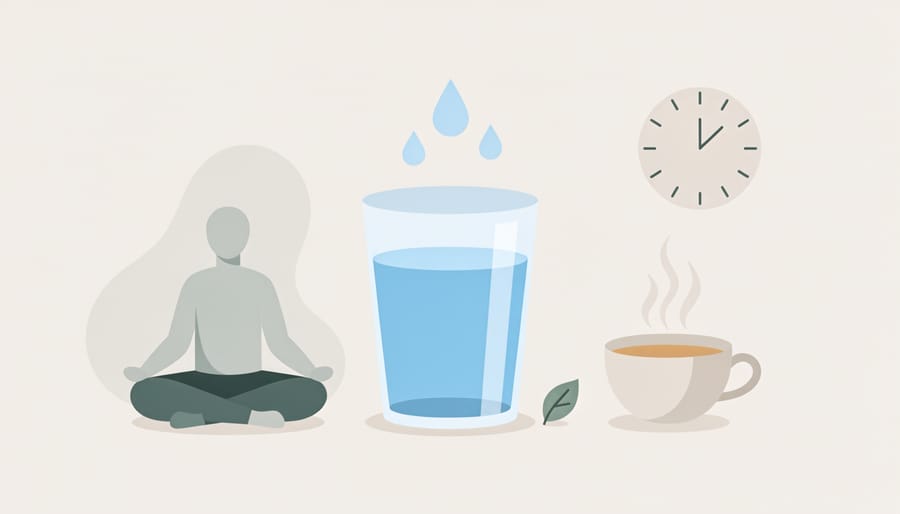
Stay hydrated alongside caffeine consumption. Caffeine’s mild diuretic effect can contribute to dehydration, which itself triggers migraines in many people. Aim for a glass of water with each caffeinated beverage.

Watch for hidden sources during your stable period. That chocolate dessert or green tea might seem innocent but can push you over your threshold unexpectedly.

If you need to adjust your intake, do it gradually over weeks, not days, to give your body time to adapt without protest.

Alternative Strategies for Energy and Focus

If you’re reducing or eliminating caffeine, you’ll need reliable ways to stay alert without triggering migraines. Start with the basics: consistent sleep matters more than any stimulant. Going to bed and waking at the same times, even on weekends, stabilizes your energy patterns naturally. Aim for 7-8 hours nightly.

Short movement breaks work surprisingly well. A five-minute walk or quick stretches increase blood flow and oxygen to your brain, giving you a genuine energy boost. Many people find this more effective than their third cup of coffee ever was.

Hydration plays a bigger role than most realize. Even mild dehydration mimics fatigue, so keep water nearby throughout the day. Some people add electrolytes if plain water doesn’t appeal.

Strategic eating helps too: protein-rich snacks maintain steady blood sugar rather than the spike-and-crash pattern of caffeine. Think nuts, cheese, or hard-boiled eggs instead of reaching for a stimulant.

Bright light exposure, especially morning sunlight, signals your body to wake up naturally. Cold water on your face or a cool room can sharpen focus when you’re flagging.

These approaches build genuine energy reserves rather than borrowing alertness from later in the day.

When to Seek Professional Help

While many people successfully manage caffeine-related migraines on their own, certain situations warrant professional evaluation. If you’ve tried reducing or stabilizing your caffeine intake for several weeks without improvement, or if your migraines are becoming more frequent or severe despite your efforts, it’s time to consult a healthcare provider.

Note: Seek immediate medical attention if you experience a sudden, severe headache unlike any you’ve had before, or if your migraine includes new neurological symptoms like vision loss, difficulty speaking, weakness, or confusion.

When you do see a doctor, come prepared with your caffeine and migraine diary. Bring specific details about your daily caffeine intake (amounts and timing), when your migraines occur, and what patterns you’ve noticed. Don’t hesitate to mention all sources of caffeine, including medications, energy drinks, and supplements. If your doctor dismisses your concerns or doesn’t take your symptoms seriously, you have every right to seek a second opinion or ask for a referral to a headache specialist.

A healthcare provider can help determine whether your migraines stem solely from caffeine or if other factors are involved. They might suggest additional tracking, order tests to rule out other conditions, or recommend treatments that address your specific situation. Remember that you’re not facing this alone, connecting with others who understand the challenges of managing migraines can provide valuable emotional support and practical insights as you work with your medical team.

Common Questions About Caffeine and Migraines

How long does caffeine withdrawal last?

Most people experience withdrawal symptoms for 2-9 days after stopping caffeine, with headaches typically peaking within the first 24-48 hours. The severity depends on how much caffeine you were consuming and how abruptly you stopped.

How much caffeine is safe if I get migraines?

There’s no universal safe amount because caffeine sensitivity varies dramatically between individuals. Some people tolerate 200-300mg daily (about two cups of coffee) without issues, while others find even small amounts trigger migraines, your personal threshold is what matters most.

Can I still drink coffee if I have migraines?

Yes, many people with migraines drink coffee without problems. The key is consistency: drink the same amount at the same times every day, including weekends, and stay within your personal tolerance threshold.

Why do my migraines happen on weekends?

Weekend migraines often stem from breaking your weekday caffeine routine, sleeping in delays your morning coffee, creating a mini-withdrawal that triggers a migraine. Maintaining the same caffeine schedule seven days a week typically solves this pattern.

These patterns explain why caffeine’s relationship with migraines feels so confusing. One person might drink four espressos daily without issue, while another gets a migraine from a single cup of tea. Your genetics influence how quickly you metabolize caffeine, how sensitive your blood vessels are to its effects, and whether you’re prone to withdrawal symptoms.

Decaffeinated coffee deserves special mention because it’s not entirely caffeine-free. An 8-ounce cup of decaf contains 2-15mg of caffeine, which matters if you’re extremely sensitive or trying to eliminate caffeine completely. For most people, though, decaf doesn’t trigger migraines.

Children and teenagers can absolutely experience caffeine-withdrawal migraines, often from energy drinks, sodas, or sweetened coffee beverages they consume irregularly. Their smaller body size means even modest amounts create dependency, and weekend withdrawal headaches are common when school-day habits change.

The bottom line: your body’s response to caffeine is uniquely yours. What works for your friend, your coworker, or even your sibling might not work for you. Trust your tracking data over anyone else’s experience, and don’t let blanket advice override what your own patterns reveal.

Understanding your personal caffeine-migraine relationship isn’t about following a one-size-fits-all rule. It’s about becoming a detective in your own life, tracking patterns, testing theories, and discovering what works specifically for you. What triggers migraines in your colleague might be perfectly fine for you, and vice versa.

This detective work takes patience. You won’t have all the answers after a week of tracking, and your first attempt at reducing caffeine might not go smoothly. That’s completely normal. Managing caffeine-related migraines is a process of gradual discovery, not an instant fix. Some people find that eliminating caffeine entirely stops their migraines. Others discover they can enjoy a moderate, consistent amount without problems. Still others realize caffeine wasn’t their trigger at all, but the detective work helped them identify the real culprit.

The most important thing is giving yourself permission to experiment without judgment. If you’ve been consuming large amounts of caffeine daily for years, it’s going to take time to reset. If withdrawal migraines feel overwhelming, slow down your taper. If you miss your morning coffee ritual, find alternatives that preserve the comfort without the caffeine. There’s no prize for speed here.

You don’t have to figure this out alone. Sharing your experiences with others who understand what migraines feel like can make the journey less isolating. Whether it’s talking with friends who also deal with migraines, connecting with online communities, or working with healthcare professionals who take your concerns seriously, support matters. Migraines can feel overwhelming, but countless people have successfully navigated the caffeine puzzle and found their path to fewer, less severe attacks.

Your relationship with caffeine doesn’t have to be all or nothing, and managing it doesn’t require perfection. It requires curiosity, consistency, and compassion toward yourself as you learn what your body needs.