

The throbbing pain behind your eyes arrives with unwelcome company: a crushing wave of hopelessness that makes even getting out of bed feel impossible. If you’re experiencing both migraines and depression, you’re facing two conditions that create a vicious cycle, each one intensifying the other.
Research shows that people with migraines are 2.5 times more likely to develop depression than those without, while depression can double your risk of chronic migraine. This isn’t coincidence or weakness on your part. The connection runs deep through your brain chemistry, where serotonin and other neurotransmitters regulate both pain perception and mood. When these chemical messengers fall out of balance, both conditions can emerge or worsen together.
Understanding this relationship changes everything about how you approach treatment. The chronic pain of repeated migraine attacks naturally affects mental health, disrupting sleep, limiting social connections, and forcing you to cancel plans repeatedly. Meanwhile, depression can lower your pain threshold, making migraine attacks feel more severe and recovery slower. Anxiety about the next attack creates stress that triggers more migraines, completing a cycle that feels impossible to break.
But you’re not powerless, and you’re far from alone. Millions navigate this dual burden daily, and emerging treatments now address both conditions simultaneously rather than treating them as separate problems. Whether you’re seeking validation for what you’re experiencing, searching for answers about why these conditions occur together, or looking for treatment approaches that tackle both at once, understanding the migraine-depression connection is your first step toward reclaiming control. The path forward involves recognizing that treating one condition while ignoring the other leaves you fighting an incomplete battle.
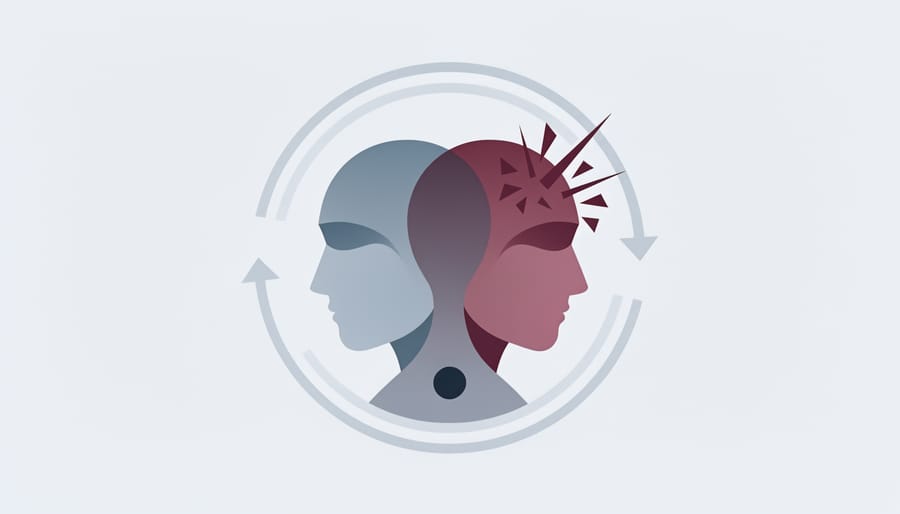
The Two-Way Street: Understanding the Depression and Migraine Connection
How Depression Can Trigger Migraines
Depression doesn’t just affect your emotional wellbeing—it can create a cascade of physical changes that make migraines more likely and more severe. Understanding these mechanisms can help you recognize patterns in your own experience and communicate more effectively with your healthcare team.
One primary pathway involves your body’s stress response system. Depression alters how your brain processes stress hormones like cortisol, keeping your nervous system in a heightened state of alert. This constant activation can lower your threshold for migraine triggers, making you more vulnerable to attacks.
Sleep disruption creates another critical link. Depression often brings insomnia or irregular sleep patterns, and we know that poor sleep is one of the most common migraine triggers. When you’re caught in this cycle, each condition reinforces the other—depression disrupts sleep, lack of sleep triggers migraines, and migraine pain worsens depressive symptoms.
Depression also affects behaviors that influence migraine frequency. You might skip meals when feeling low, forget to stay hydrated, or withdraw from physical activity—all known migraine triggers. Some people notice they’re more sensitive to light and sound when depressed, which can both trigger migraines and intensify existing attacks.
Sarah, who experiences both conditions, shares: “I realized my worst migraine weeks always followed periods of deeper depression. Once I understood the connection, I could work with my doctor on a treatment plan that addressed both together.”
Recognizing these patterns in your own life isn’t about blame—it’s about empowerment and finding pathways to better management.
How Migraines Can Lead to Depression
Living with chronic migraines creates a heavy emotional burden that extends far beyond physical pain. When migraine attacks strike regularly, they can gradually chip away at your quality of life and mental wellbeing in ways that aren’t always immediately visible.
The social isolation that comes with frequent migraines is one of the most significant contributors to depression. When you must regularly cancel plans with friends and family, decline invitations, or leave events early due to migraine symptoms, relationships can become strained. Many people with chronic migraines describe feeling guilty about their “unreliability” or worry that loved ones don’t understand the severity of their condition. Over time, some withdraw from social situations altogether to avoid disappointment or judgment.
Missing important life events compounds this emotional toll. Birthdays, graduations, weddings, work opportunities, and everyday pleasures become casualties of unpredictable migraine attacks. Each missed experience can feel like another loss, creating a cumulative grief that weighs heavily on mental health.
The constant uncertainty of when the next migraine will strike creates persistent anxiety. You might find yourself afraid to make commitments or plan ahead, living in a state of hypervigilance about potential triggers. This ongoing stress, combined with the frustration of managing a condition that others may not fully understand, creates fertile ground for depression to take root.
Sarah, a 34-year-old teacher, shares: “After years of missing family gatherings and calling in sick to work, I felt like I was watching life pass me by. The isolation was almost harder to bear than the pain itself.”
What’s Really Happening in Your Brain
The Serotonin Connection
Think of serotonin as your brain’s master messenger, delivering important signals throughout your body. This single chemical plays a dual role that helps explain why depression and migraine so often appear together.
In your brain, serotonin acts like a mood thermostat, helping regulate feelings of happiness and emotional balance. When serotonin levels drop too low, depression can develop. It’s like trying to stay warm when the heat isn’t working properly.
But serotonin doesn’t stop at mood regulation. This same chemical also influences blood vessel behavior and pain perception in your brain. During a migraine attack, serotonin levels fluctuate dramatically, causing blood vessels to constrict and then expand. Imagine a garden hose that suddenly tightens and then releases, this rapid change triggers the throbbing pain characteristic of migraine.
Research shows that people with migraine often have altered serotonin processing, making them more vulnerable to both conditions. Maria, who lives with both migraine and depression, describes it simply: “Understanding that one chemical affects both helped me stop blaming myself. It’s not weakness, it’s biology.”
This shared biological pathway explains why treatments targeting serotonin, like certain antidepressants, can sometimes help both conditions simultaneously. You’re not experiencing two separate problems, you’re experiencing two expressions of the same underlying imbalance.

Shared Genetic and Environmental Factors
Research increasingly shows that depression and migraine share common roots in both our genes and our daily environments. If you’re experiencing both conditions, understanding these shared factors can help you feel less isolated and more empowered to manage your health.
Studies suggest that certain genetic variations may predispose individuals to both depression and migraine. Family history plays a significant role—if your parents or siblings experience either condition, your risk increases for both. Scientists have identified specific genes related to serotonin regulation (a brain chemical that affects mood and pain processing) that appear connected to both conditions.
Beyond genetics, lifestyle and environmental factors create a complex web of triggers. Chronic stress stands out as a powerful catalyst for both depression and migraine attacks. Sleep disruptions, whether from insomnia or irregular schedules, can trigger migraines while simultaneously worsening depressive symptoms. Dietary factors, including skipped meals and dehydration, affect both conditions similarly.
Many people in our community share experiences of how reducing stress through mindfulness practices or improving sleep hygiene has positively impacted both their mood and migraine frequency. Understanding that these conditions share common triggers means that positive lifestyle changes can offer dual benefits, addressing both challenges simultaneously rather than in isolation.
Recognizing the Signs: When It’s More Than Just a Headache
Living with either migraines or depression can feel overwhelming, but when both conditions overlap, the experience becomes more complex. Understanding the signs of both conditions is the first step toward getting the support you need.
If you find yourself dealing with frequent headaches alongside persistent feelings of sadness or emptiness, you might be experiencing more than coincidental symptoms. Many people notice that their migraine attacks become more frequent during periods when they’re feeling emotionally low. Others observe that after several days of intense migraines, their mood significantly declines.
Common indicators that both conditions may be present include experiencing severe headaches accompanied by sensitivity to light and sound, while also noticing changes in your sleep patterns, either sleeping too much or struggling with insomnia. You might feel exhausted even when you haven’t had a recent migraine, or find yourself withdrawing from activities you once enjoyed because you’re either in pain or simply don’t feel motivated.
Pay attention if you’re experiencing appetite changes, difficulty concentrating even on pain-free days, or a sense of hopelessness that extends beyond the frustration of managing chronic headaches. Some people describe feeling trapped in a cycle where pain triggers low mood, and low mood seems to invite more pain.
It’s important to recognize these patterns without jumping to conclusions. Sarah, who has lived with both conditions for five years, shares: “I used to dismiss my low mood as just being tired of the pain. It took me a while to realize I was dealing with two separate but connected challenges that both needed attention.”
If these experiences resonate with you, consider keeping a simple journal noting your headache patterns, mood changes, and energy levels. This information becomes invaluable when discussing your symptoms with a healthcare provider who can provide proper evaluation and guidance. Remember, recognizing these signs isn’t about self-diagnosing but about advocating for your wellbeing.
Breaking the Cycle: Treatment Approaches That Address Both
Medications That Work Double Duty
The good news is that certain medications can address both depression and migraine simultaneously, offering relief without requiring multiple prescriptions. Understanding how these double-duty medications work can help you have more informed conversations with your healthcare provider.
Antidepressants, particularly tricyclic antidepressants like amitriptyline and nortriptyline, have proven effective for both conditions. These medications work by adjusting the levels of serotonin and norepinephrine in your brain—chemical messengers that influence both mood regulation and pain perception. By increasing these neurotransmitters, these medications can help stabilize mood while also reducing the frequency and severity of migraine attacks.
Another class of antidepressants called SNRIs (serotonin-norepinephrine reuptake inhibitors), including venlafaxine and duloxetine, also show promise for treating both conditions. They work similarly by keeping more serotonin and norepinephrine available in your brain, which can lift depression symptoms while simultaneously calming overactive pain pathways that trigger migraines.
Beta-blockers like propranolol, while primarily known for migraine prevention, may also help manage anxiety that often accompanies depression. These medications work by blocking certain stress hormones that can trigger both migraine attacks and anxious feelings.
It’s important to remember that everyone responds differently to medications. What works wonderfully for one person may not work as well for another. Your healthcare provider can help determine which medication might be most effective for your unique situation, considering your specific symptoms, medical history, and any other medications you’re taking. Finding the right treatment often requires patience and open communication with your care team.
Therapy and Counseling Options
Seeking professional support can make a meaningful difference when managing both depression and migraine together. Several therapeutic approaches address the interconnected nature of these conditions, helping you develop coping strategies while reducing symptom severity.
Cognitive behavioral therapy (CBT) has shown remarkable effectiveness for both conditions. This evidence-based approach helps identify thought patterns that may trigger or worsen symptoms. A CBT therapist can teach you techniques to manage pain responses, reduce anxiety about upcoming migraine attacks, and challenge negative thinking patterns associated with depression. Many people find that addressing these mental processes leads to fewer migraine days and improved mood.
Biofeedback offers another powerful tool by teaching you to recognize and control physical responses to stress. Using sensors that monitor muscle tension, heart rate, and skin temperature, you learn to identify early warning signs of a migraine attack and intervene before it fully develops. This technique also helps manage the anxiety that often accompanies chronic pain conditions.
Acceptance and commitment therapy (ACT) focuses on living meaningfully despite ongoing symptoms, while mindfulness-based stress reduction combines meditation and body awareness to reduce both pain and emotional distress.
Consider asking your healthcare provider for referrals to therapists experienced in chronic pain management. Many practitioners now offer telehealth options, making specialized care more accessible. Remember, seeking therapy demonstrates strength, not weakness, in managing your health journey.
Lifestyle Changes That Make a Real Difference
Small, consistent changes to your daily routine can significantly impact both depression and migraine frequency. You don’t need to overhaul your entire life overnight—research shows that gradual modifications often create the most lasting benefits.
Sleep deserves your attention first. Going to bed and waking at consistent times, even on weekends, helps regulate the biological rhythms that influence both mood and migraine triggers. Creating a dark, cool bedroom environment and avoiding screens an hour before sleep can improve sleep quality, which many people with both conditions identify as a major factor in their symptom management.
Regular physical activity stands out as one of the most effective interventions for both conditions. You don’t need intense workouts—moderate activities like walking, swimming, or yoga for 20-30 minutes most days can reduce migraine frequency while naturally boosting mood-regulating neurotransmitters. Start slowly and listen to your body, as overexertion can sometimes trigger migraines.
Nutrition matters more than you might think. Staying hydrated, eating regular meals to maintain stable blood sugar, and identifying your personal food triggers creates a foundation for better symptom control. Some people find keeping a simple food and symptom diary reveals unexpected patterns.
Stress management techniques like deep breathing, meditation, or progressive muscle relaxation address the common pathway between depression and migraine. Sarah, who manages both conditions, shares: “Learning to recognize my stress signals early and taking five-minute breathing breaks changed everything. My migraines decreased by half within three months.”
These lifestyle foundations work alongside medical treatment, not instead of it, giving you meaningful tools for daily management.

Real Stories: Living with Both Depression and Migraine
Maria’s story reflects a journey many in our community know well. For years, she experienced debilitating migraines three to four times monthly, but it was the persistent low mood between attacks that truly concerned her. “I thought the sadness was just my reaction to living with chronic pain,” she shares. “It took my doctor asking specific questions about my mental health for me to realize I was dealing with clinical depression alongside my migraines.”
After receiving treatment for both conditions, Maria noticed something unexpected: managing her depression actually reduced her migraine frequency. “My neurologist explained that they share some of the same brain chemistry issues, particularly with serotonin,” she explains. “When we addressed my depression with a combination of therapy and medication, my migraines became less frequent and less severe. I wish I’d understood this connection sooner.”
Maria’s most valuable coping strategy involves what she calls “gentle consistency.” She maintains regular sleep schedules, practices daily meditation for fifteen minutes, and journals about both her physical symptoms and emotional state. “Tracking helped me see patterns I’d never noticed before. Some triggers affected both my mood and my migraines.”
James, another community member, describes his experience as learning to be patient with himself. “The hardest part was accepting that some days I needed to rest, and that wasn’t weakness,” he says. Working with both a therapist and headache specialist, he developed a treatment plan addressing both conditions simultaneously. His breakthrough came when he joined a support group. “Hearing others describe the exact feelings I’d been having made me feel less alone. That validation was healing in itself.”
Both Maria and James emphasize one message for others facing similar challenges: seeking help for both conditions simultaneously, rather than treating them separately, made the most significant difference in their quality of life.
When to Seek Help: Building Your Healthcare Team
Recognizing when you need professional support is an important step in managing both depression and migraine. If your symptoms interfere with daily activities, relationships, or work, or if you’re experiencing thoughts of self-harm, it’s time to reach out for help. You don’t have to wait until things feel unbearable—early intervention often leads to better outcomes.
Building an effective healthcare team may include several specialists. Your primary care physician can serve as a starting point, coordinating care and providing initial treatment. A neurologist specializes in migraine management and can offer advanced treatment options when standard approaches aren’t enough. A psychiatrist or mental health counselor brings expertise in depression treatment and can help address the emotional challenges of living with chronic pain. The ideal approach involves these providers working together to create an integrated treatment plan that addresses both conditions simultaneously.
When meeting with healthcare providers, preparation makes a difference. Keep a symptom diary tracking both migraine attacks and mood changes, noting patterns, triggers, and how symptoms affect your life. Be honest about all your symptoms, even when they feel difficult to discuss. Many people worry about being dismissed or not taken seriously, but clear communication about your experience helps providers understand the full picture.
Advocacy matters. If a doctor dismisses the connection between your depression and migraines, consider seeking a second opinion. You deserve care that treats you as a whole person, not just isolated symptoms. Ask questions about how different treatments might interact and express your preference for approaches that address both conditions together.
Remember Maria’s story: she initially felt hesitant to discuss her depression with her neurologist, fearing it wasn’t relevant. Once she did, her doctor adjusted her treatment plan to address both conditions, leading to significant improvement. Your complete health picture matters, and the right healthcare team will recognize that connection.

Understanding the connection between depression and migraine is more than recognizing a medical correlation—it’s about acknowledging your whole experience and finding a path forward. If you’re living with both conditions, you’re not alone, and what you’re experiencing is valid. The relationship between these conditions is real, backed by science, and increasingly understood by healthcare professionals who can help.
The key takeaways are clear: depression and migraine share biological pathways, often coexist, and respond best to integrated care that addresses both conditions simultaneously. This doesn’t mean your journey will be easy, but it does mean that effective treatment options exist. Whether through medication, lifestyle modifications, therapy, or a combination of approaches, relief is possible when both conditions are recognized and treated together.
Taking the first step can feel overwhelming, but it doesn’t have to be perfect. Start by having an honest conversation with your healthcare provider about both your headaches and your emotional health. Bring a symptom diary if possible, and don’t minimize what you’re experiencing. You deserve comprehensive care that sees you as a whole person, not isolated symptoms.
Headache Network Canada offers valuable resources, support groups, and educational materials designed specifically for people navigating migraine and its related challenges. You’ll find a community of others who understand, healthcare professionals committed to advancing treatment, and practical tools to help you advocate for yourself. Remember, seeking help is a sign of strength, and integrated care can transform your quality of life. Hope and healing are within reach.